Spanish White Bean & Clam Stew

Apr 08, 2026
Jump to RecipeThis post may contain affiliate links. Please see our disclosure policy.
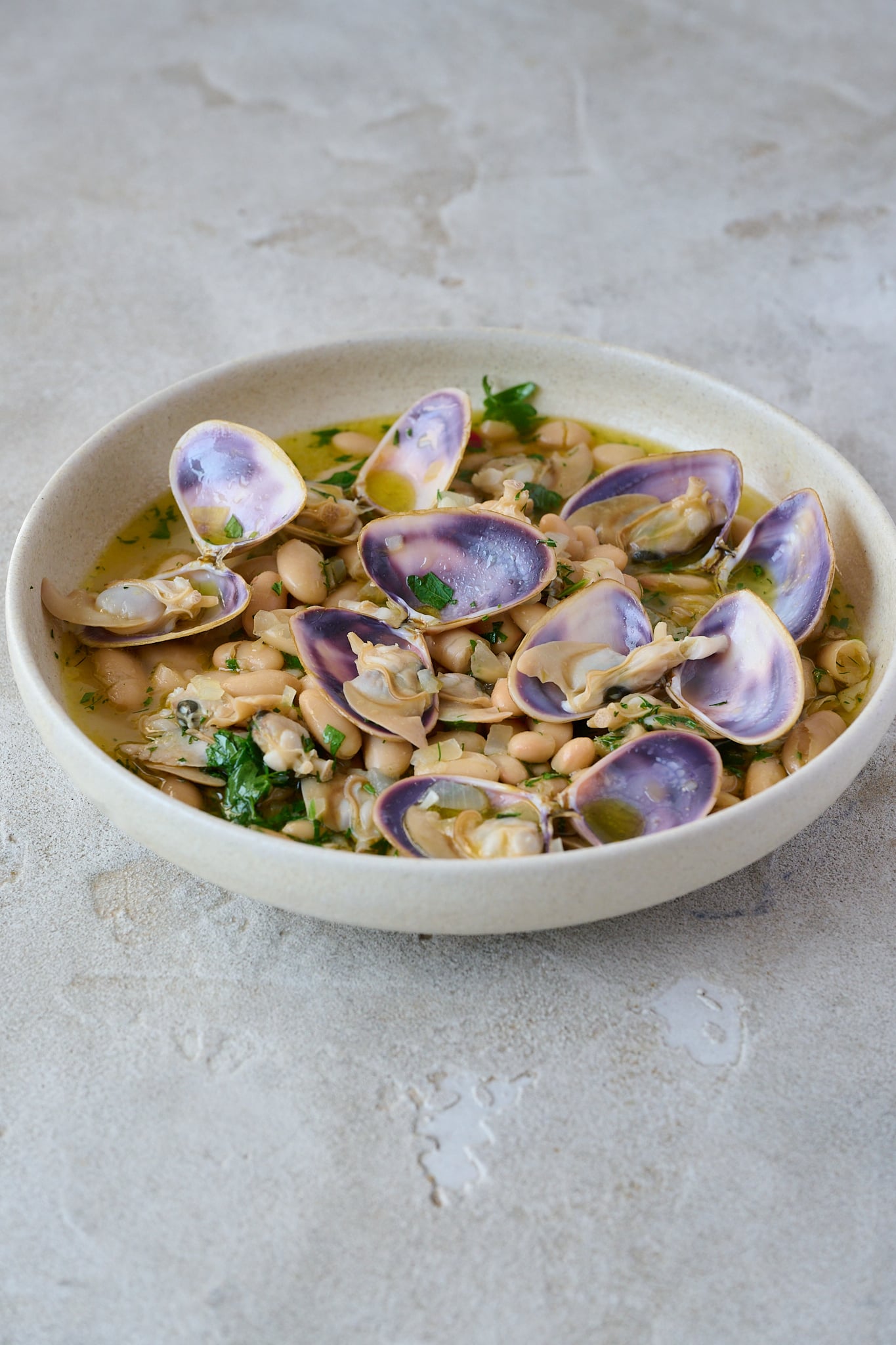
This Spanish White Bean & Clam Stew (or pipis as we call them in Australia) is such a comforting and simple dish that comes directly from my Spanish mum’s recipe book. Made with tender white beans, fresh clams or pipis, lots of garlic, white wine and good quality olive oil, it comes together into a rich, brothy stew that tastes like it’s been simmering all day….but takes under 15 minutes to make!
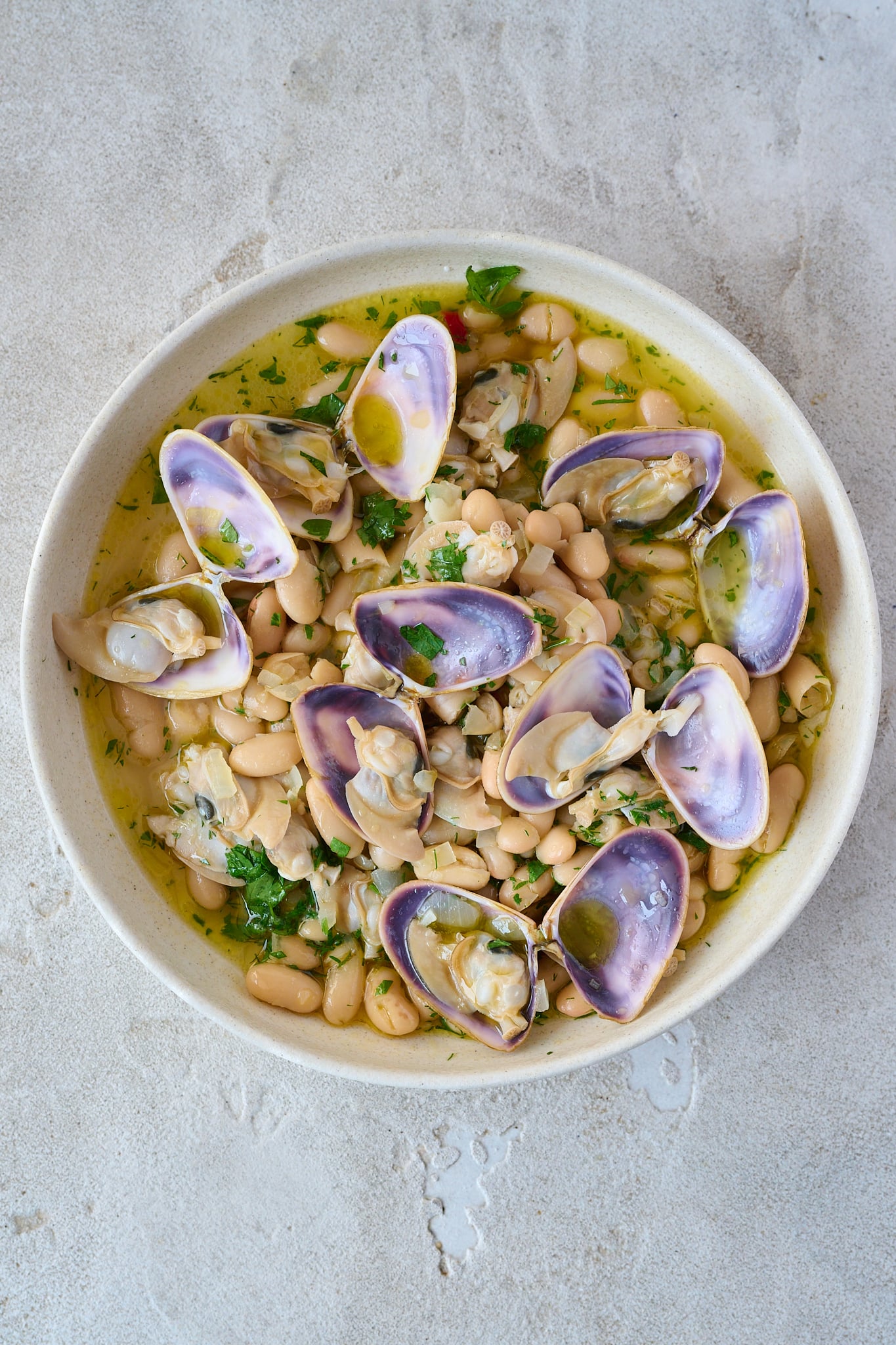
Why you’ll love this Spanish White Bean & Clam Stew!

Often times there are recipes that I avoid sharing because I worry they may be perceived as too simple or maybe even a little bit boring. While I don’t consider this dish either of those things, it is beautifully simple in the way so many Spanish recipes are… just a handful of good ingredients, cooked gently, and allowed to speak for themselves. And that’s exactly why you’ll love it. It’s comforting, full of flavour from garlic, olive oil and the briny pipis, and comes together with very little effort.
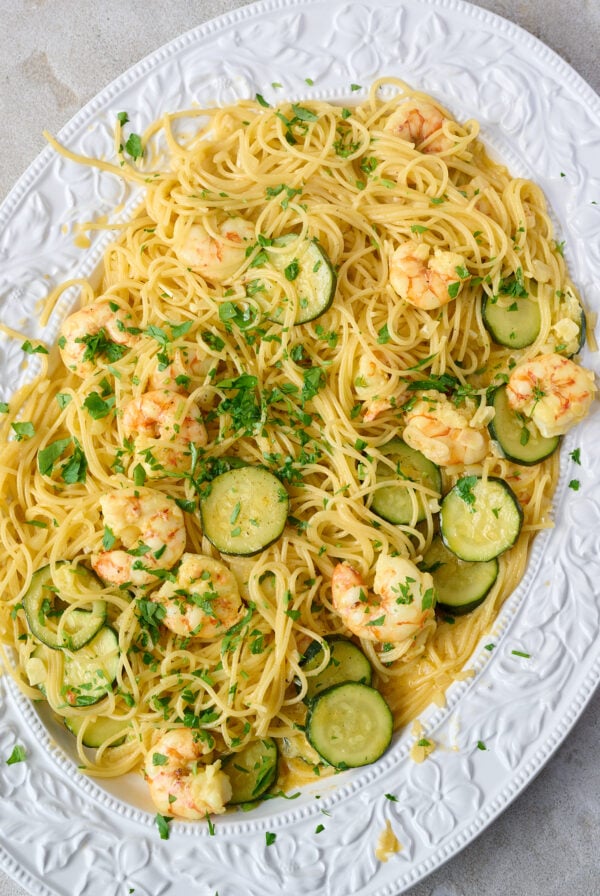
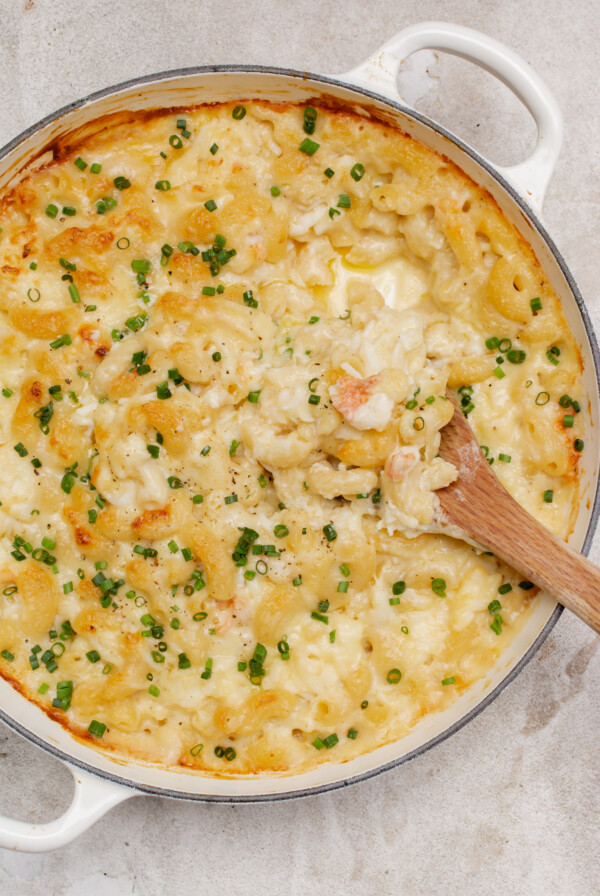
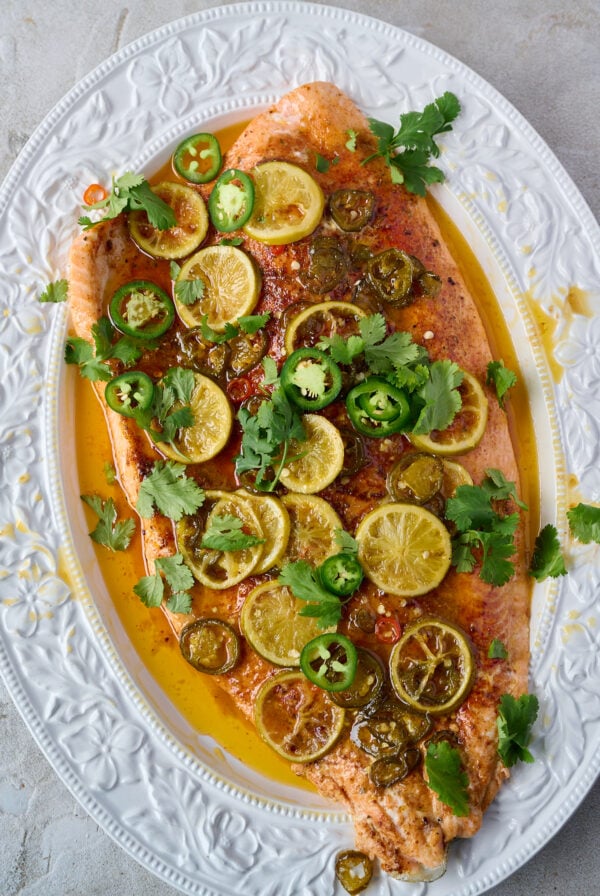
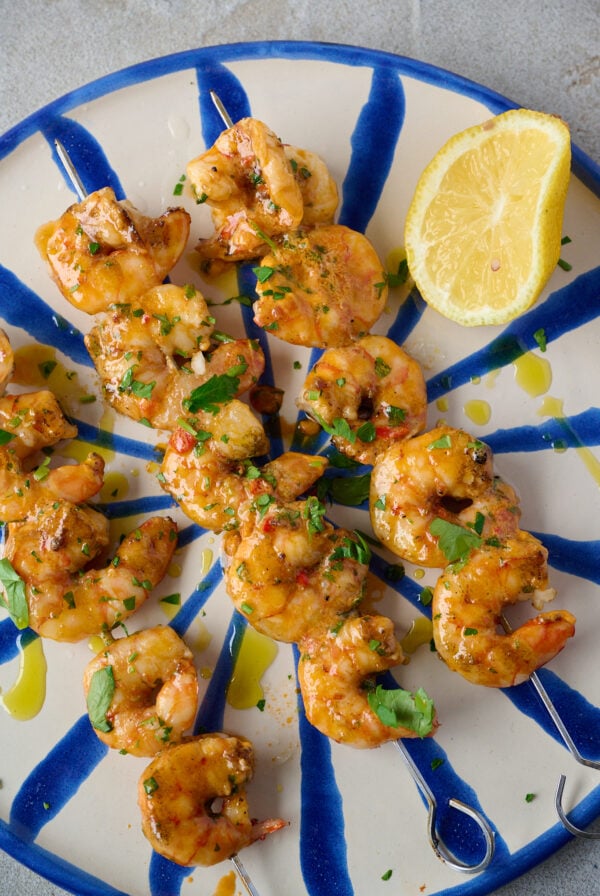
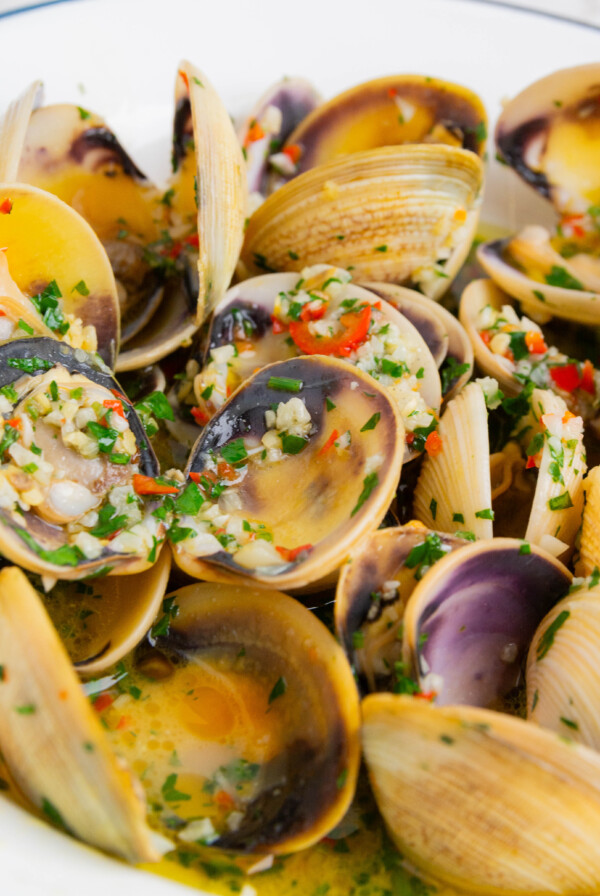
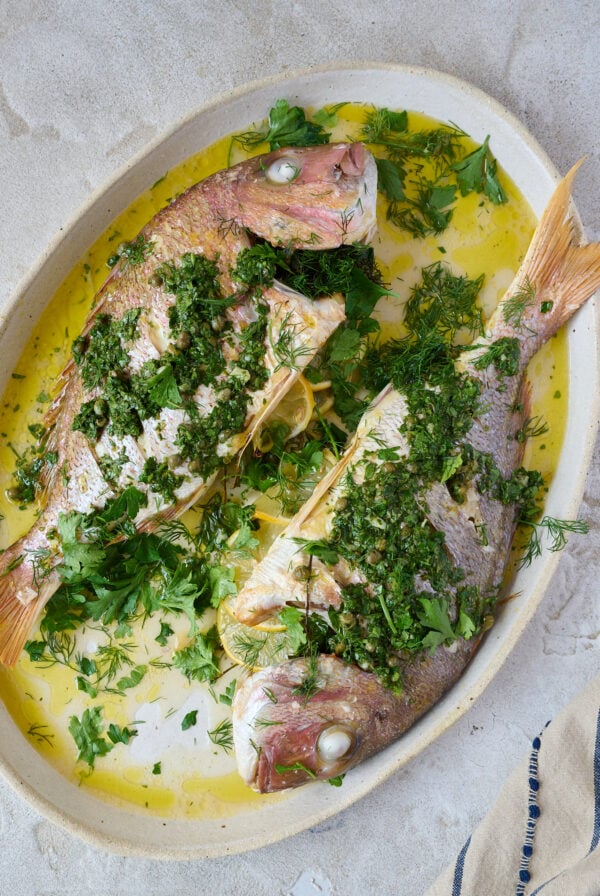
If you love recipes like this, you’ll also enjoy some of my other seafood and Spanish-inspired dishes like my garlic butter clams, whole baked snapper with salsa verde or my Spanish garlic prawns, all made with the same simple, flavour-first approach.
Ingredients for Spanish White Bean & Clam Stew
Other than the pipis or clams, the ingredients for this Spanish white bean and clam stew are most likely sitting in your fridge and pantry!
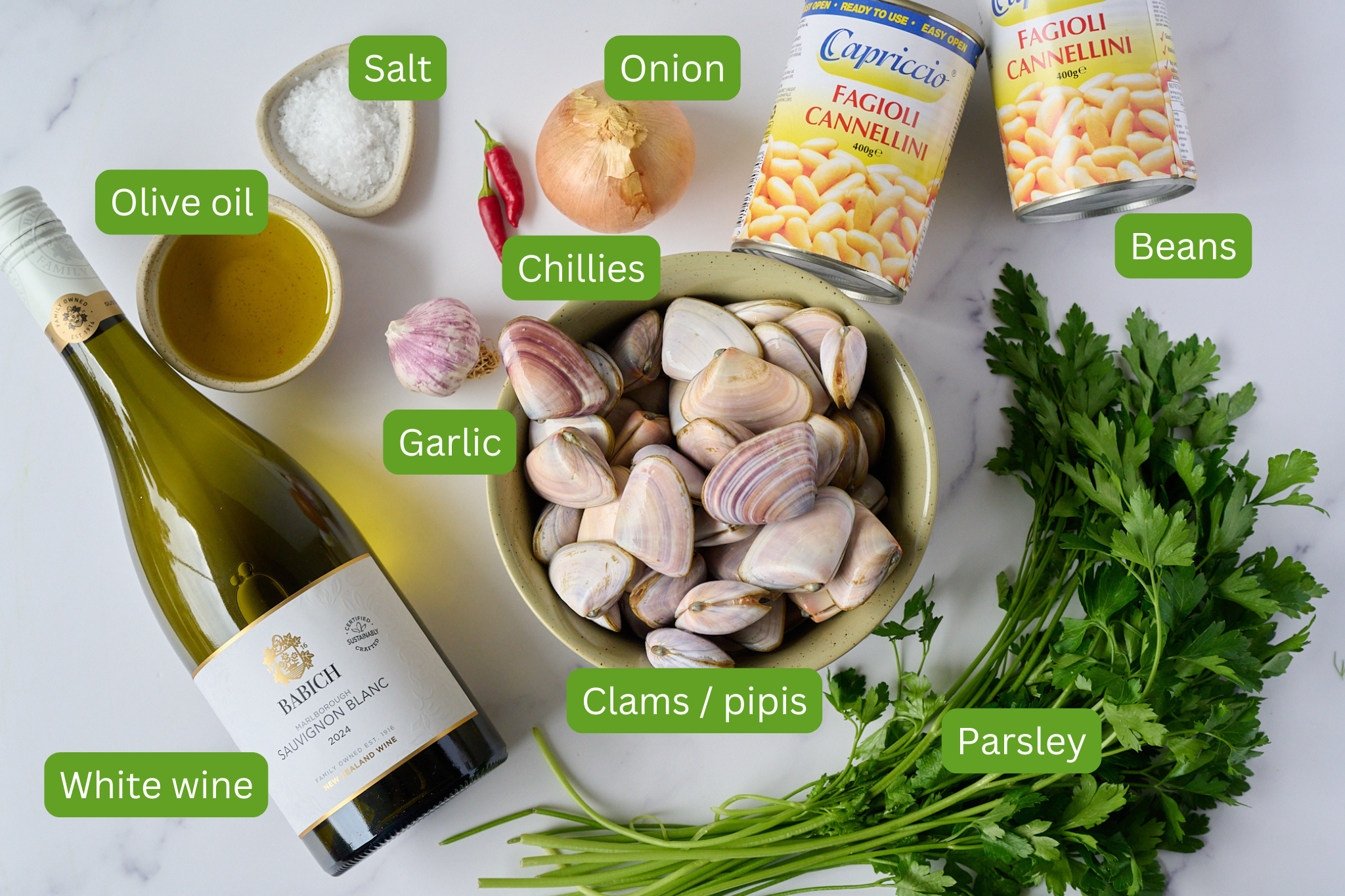
- Pipis (clams): Fresh pipis are the star of this dish. Look for ones that are tightly closed and smell like the ocean. Give them a good rinse and soak to remove any grit before cooking.
- White beans: I like using canned cannellini or butter beans for ease. They add a creamy texture and make the stew feel hearty and satisfying.
- Garlic: Lots of it. This is where so much of the flavour comes from, so don’t hold back. Thinly sliced or gently crushed works best.
- Extra virgin olive oil: A generous amount is key here. It forms the base of the broth and brings everything together with that rich, silky finish.
- White wine: Try and source a light and crisp white wine such as a Sauvignon Blanc or Riesling.
How To Make Spanish White Bean & Clam Stew
While this may be called a “stew”, it actually takes under 15 minutes to make!
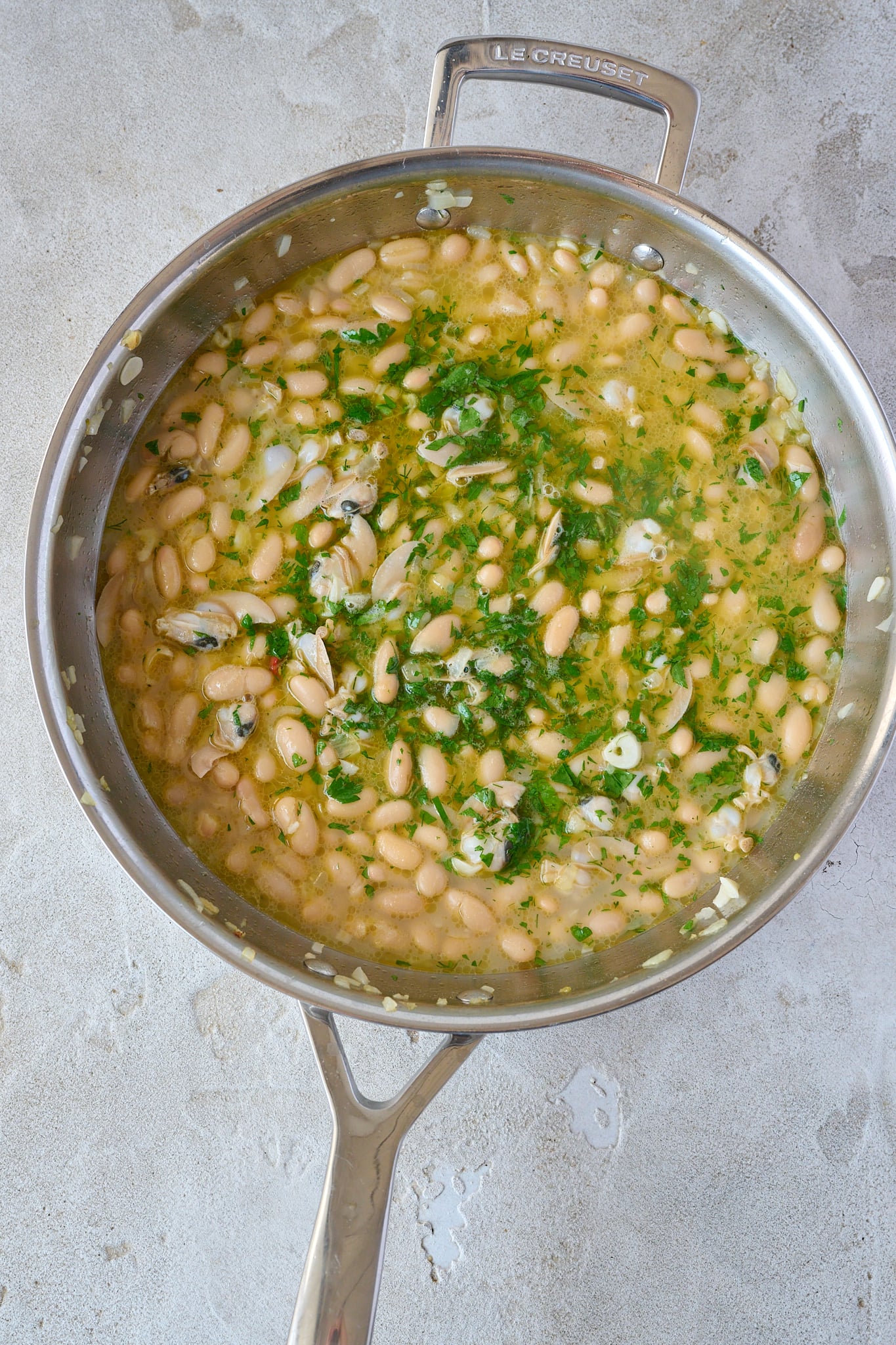
Step 1: Heat olive oil in a large saucepan over medium heat. Cook the onion for 2 minutes, then add garlic and chilli and cook for 3 minutes until soft and fragrant, stirring frequently. Pour in the white wine and simmer for 2 minutes until reduced by half, then add the clams, cover, and cook on high for 5 minutes or until the shells open, shaking the pan occasionally. Remove the clams, let them cool slightly, then take the meat out of the shells.
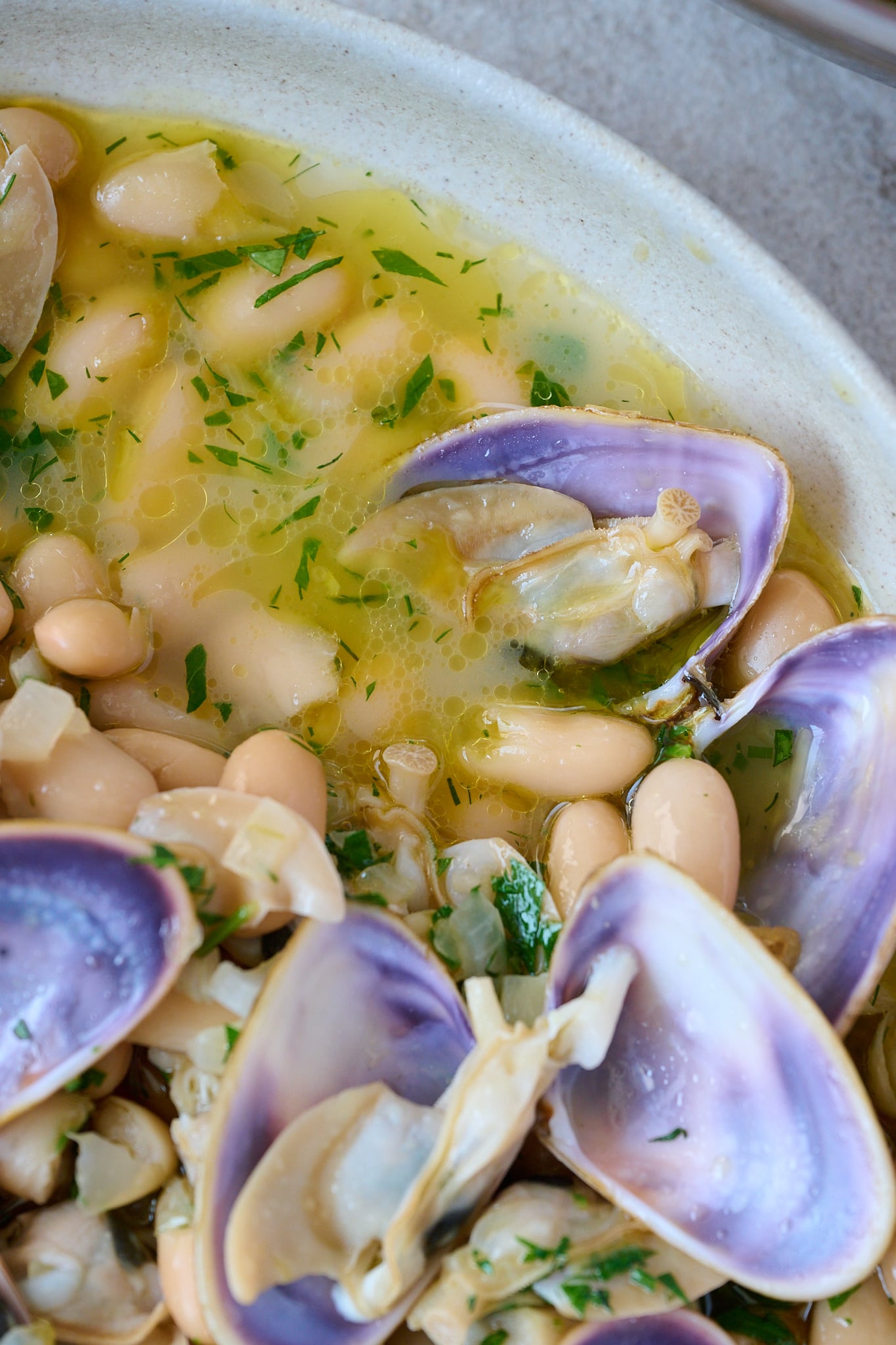
Step 2: Add the beans, clam meat and a pinch of salt to the pan with the sauce and stir through on a low heat. Bring to a gentle simmer and simmer for 3 minutes. Sprinkle over parsley and enjoy!
FAQ’s
Pipis are small, sweet clams commonly found in Australia. If you can’t find pipis, you can use vongole, littleneck clams or any small fresh clams as a substitute. Any clam or pipi variety will work!
Fresh pipis are best for flavour and texture, but you can use canned clams. Just note the broth will be slightly different and less delicate as we won’t get that beautiful brine that is offered from fresh clams only.
Yes, it’s important to soak pipis in cold salted water for 20–30 minutes to help remove any sand or grit before cooking. If you are buying your clams or pipis vacuum packed then it should let you know on the packet if this step is needed.
Canned cannellini beans or butter beans work best as they are soft, creamy and hold their shape well in the broth.
How To Store Leftovers
- Refrigerate: Store any leftovers in an airtight container in the fridge for up to 2 days. Seafood is best enjoyed fresh, so try to eat it sooner rather than later.
- Keep pipis separate (if possible): If you know you’ll have leftovers, remove the pipis from the broth before storing. This helps prevent them from becoming overcooked and tough when reheated.
- Reheat gently: Warm the stew over low heat on the stove until just heated through. Avoid boiling, as this can make the pipis rubbery.
- Freezing: The bean base can be frozen for up to 3 months, but it’s best to add fresh pipis when serving rather than freezing them with the stew. Just note, the beans may become quite mushy when frozen and then defrosted.
how To Serve
- With crusty bread: Serve with plenty of warm, crusty bread or some of my freshly baked focaccia to soak up that garlicky, olive oil-rich broth.
- Finish with olive oil: A generous drizzle of good quality extra virgin olive oil just before serving brings everything together.
- Add freshness: Top with freshly chopped parsley and a squeeze of lemon to brighten the dish.
More Seafood Dishes To Love!
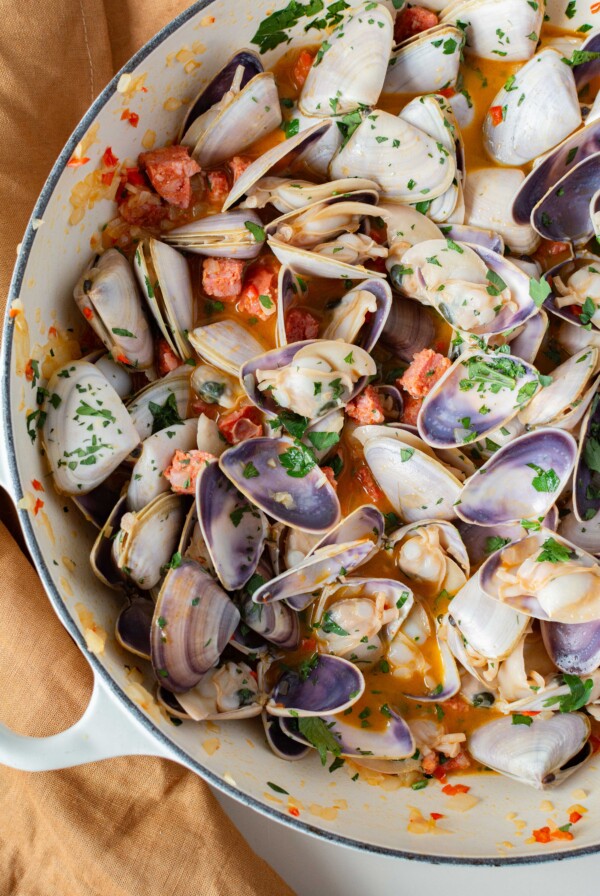
Have questions or want to leave a review about this Spanish White Bean and Clam Stew? Please do so below the recipe card! I always love answering your questions and hearing your feedback.
If you make this recipe, please follow me and tag me on Instagram, Tik Tok, or Pinterest so I can see your wonderful creations!
Spanish White Bean & Clam Stew
Ingredients
- 2 lb littleneck clams or pipis, cleaned
- 1 onion, finely diced
- 4 garlic cloves, finely diced
- 1 chilli, finely diced (optional)
- 2 tbsp olive oil
- 1/2 cup white wine
- 16 oz cannellini beans
- 1/4 cup parsley, finely chopped
Instructions
- Clean / purge clams: Place the clams into cold salted water and leave to sit for 30 minutes or until they purge any sand or grit they may have contained in their shells. Drain the clams and give them a rinse under cold water.
- Make sauce: In a large saucepan on a medium heat, bring the olive oil to heat. Add the onion and cook for 2 minutes. Add the garlic and chili and cook for 3 more minutes or until the garlic is soft and fragrant. Stir frequently. Add the white wine to the pan and cook for 2 minutes or until 50% of the wine has been evaporated.
- Steam clams: Add the clams to the pan and stir through the sauce. Pop the lid on and increase the heat to high. Cook for 5 minutes or until the clams shells have opened. Shake the pan to encourage them to open. Once the clams have opened, remove them from the sauce with a slotted spoon and place into a bowl. Allow to slightly cool and the remove the clam meat from the shell with your fingers. Reserve several clams in the shell to place on top of the stew at the end to act as a garnish.
- Add beans & clam meat: Add the beans, clam meat and a pinch of salt to the pan with the sauce and stir through on a low heat. Bring to a gentle simmer and simmer for 3 minutes.
- Finish: Add the parsley to the pan and stir through. Serve immediately with some crusty white bread.
Video
Notes
- Pipis vs clams: Pipis are a type of small surf clam commonly found in Australia and are slightly sweeter and more delicate than many other clams. If using other varieties like vongole or littleneck clams, the cooking process remains the same, just keep an eye on size as larger clams may take a little longer to open.
- Freshness is everything: When buying pipis, they should be tightly closed or close when tapped and smell clean and ocean-like. Avoid any that are already open and don’t close when touched.
- Soaking is essential: Always soak pipis in cold salted water for at least 20–30 minutes before cooking. This helps them release any sand or grit so you don’t end up with a sandy broth. In Australia, some pipis and clams come vacuum packed and state they have already been cleaned. When this is the case, you can skip this cleaning or purging step.
- Discard any that don’t open: Once cooked, any pipis that remain closed should be discarded as they are not safe to eat.
- Don’t overcook: Pipis cook very quickly, usually within 3–5 minutes. As soon as they open, they’re ready. Overcooking will make them tough and chewy.
- Use the natural juices: As the pipis open, they release a beautiful salty, ocean-like liquid into the broth. This is where so much of the flavour comes from, so avoid adding too much salt early on.
- Clean as you go: If your pipis are particularly sandy, you can lift them out of the soaking water (rather than draining) so any grit stays at the bottom of the bowl.
- Size matters: Smaller pipis tend to be more tender and cook faster, while larger clams may be slightly chewier but still delicious when cooked properly.
- Serve immediately: This is not a dish that benefits from sitting. The pipis are at their best right after cooking when they are tender and juicy.
Nutrition
Nutrition information is automatically calculated, so should only be used as an approximation.
 Like this? Leave a comment below!