Spanish Flan

Jun 05, 2026
Jump to RecipeThis post may contain affiliate links. Please see our disclosure policy.
Spanish Flan has always been one of my favourite desserts and one that instantly takes me back to my childhood. Growing up, my mum would make flan for us regularly, and there was nothing better than digging into the smooth and silky custard that is drizzled with golden caramel. Despite looking impressive, this classic Spanish dessert is surprisingly easy to make!
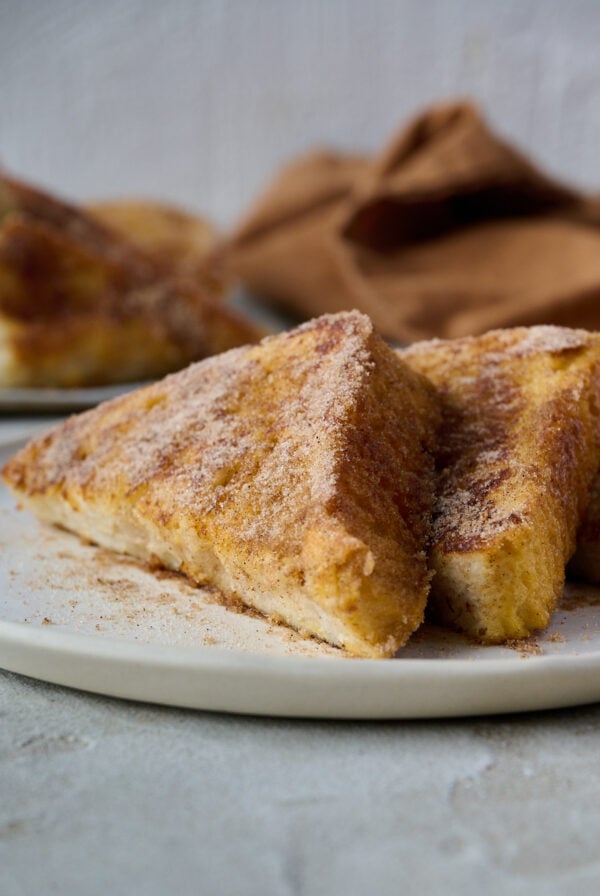
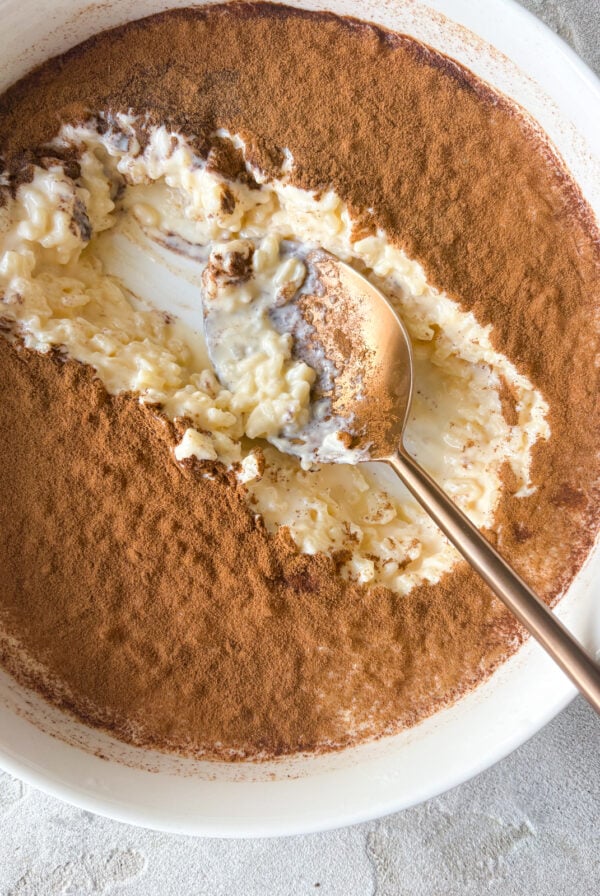
Looking for more Spanish desserts? Try my arroz con leche or Torrijas (Spanish French toast)
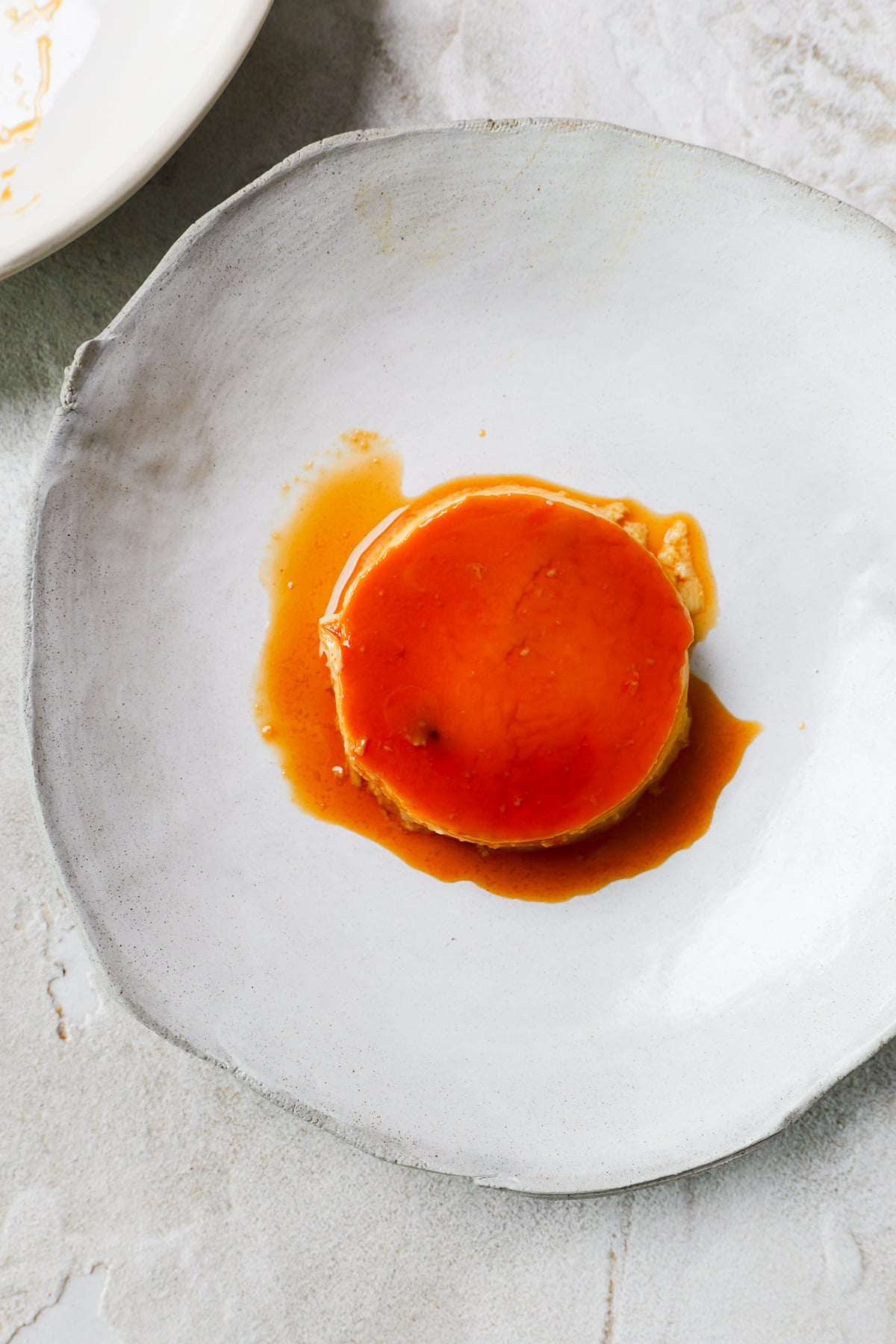
Why you’ll love my mum’s Spanish Flan

This recipe holds a very special place in my heart. Growing up with a Spanish mum, flan, alongside Torrijas or Arroz con Leche, was one of those desserts that appeared regularly on our table. It was simple, humble and never failed to make everyone happy.
What I love most about flan is that it feels far more complicated than it actually is. With just a handful of pantry staples, you can create a silky smooth custard topped with a beautiful caramel that looks incredibly impressive when turned out onto a serving plate. It requires very little skill and is almost fool proof!
If you’ve never made flan before, don’t be intimidated. It’s one of the easiest desserts you’ll ever make and a wonderful recipe to have in your repertoire for family dinners, celebrations or whenever you’re craving a little taste of Spain.
Ingredients for Spanish Flan
This Spanish Flan only requires 4 ingredients to make (and you most likely already have them on hand)!
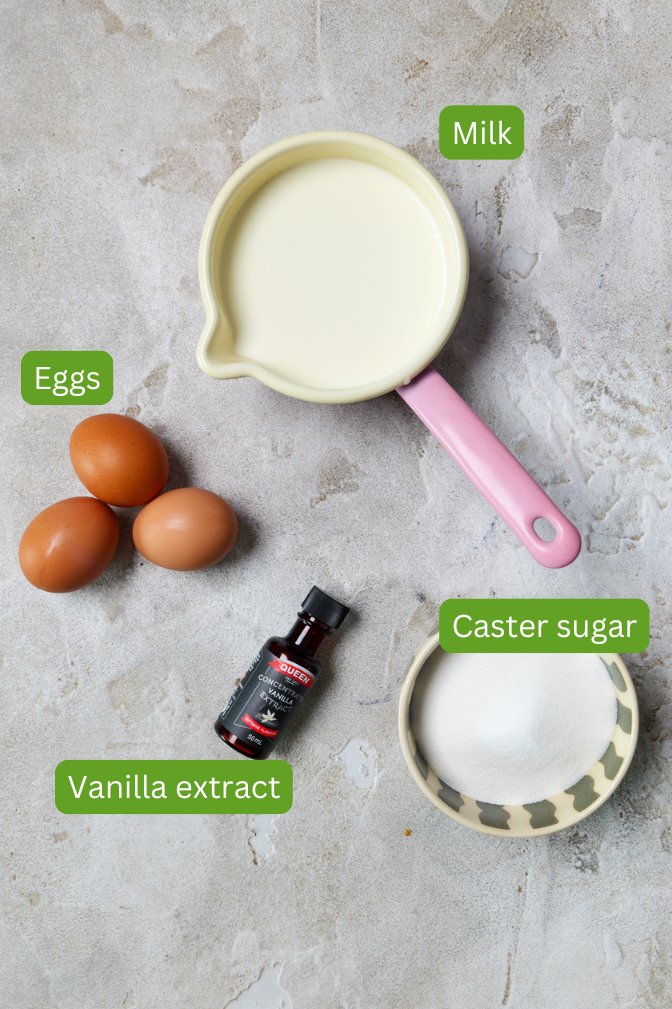
- Milk: Whole milk is best for creating a rich, silky custard while keeping the ingredient list beautifully simple.
- Eggs: Eggs are what give flan its signature smooth and delicate texture. They gently set the custard as it bakes, creating that classic wobble.
- Vanilla Extract: A touch of vanilla adds warmth and depth to the custard without overpowering its simple flavour.
- Sugar: Sugar serves two purposes in this recipe. It creates the golden caramel layer that coats the flan when inverted and sweetens the custard itself.
How To Make Spanish Flan
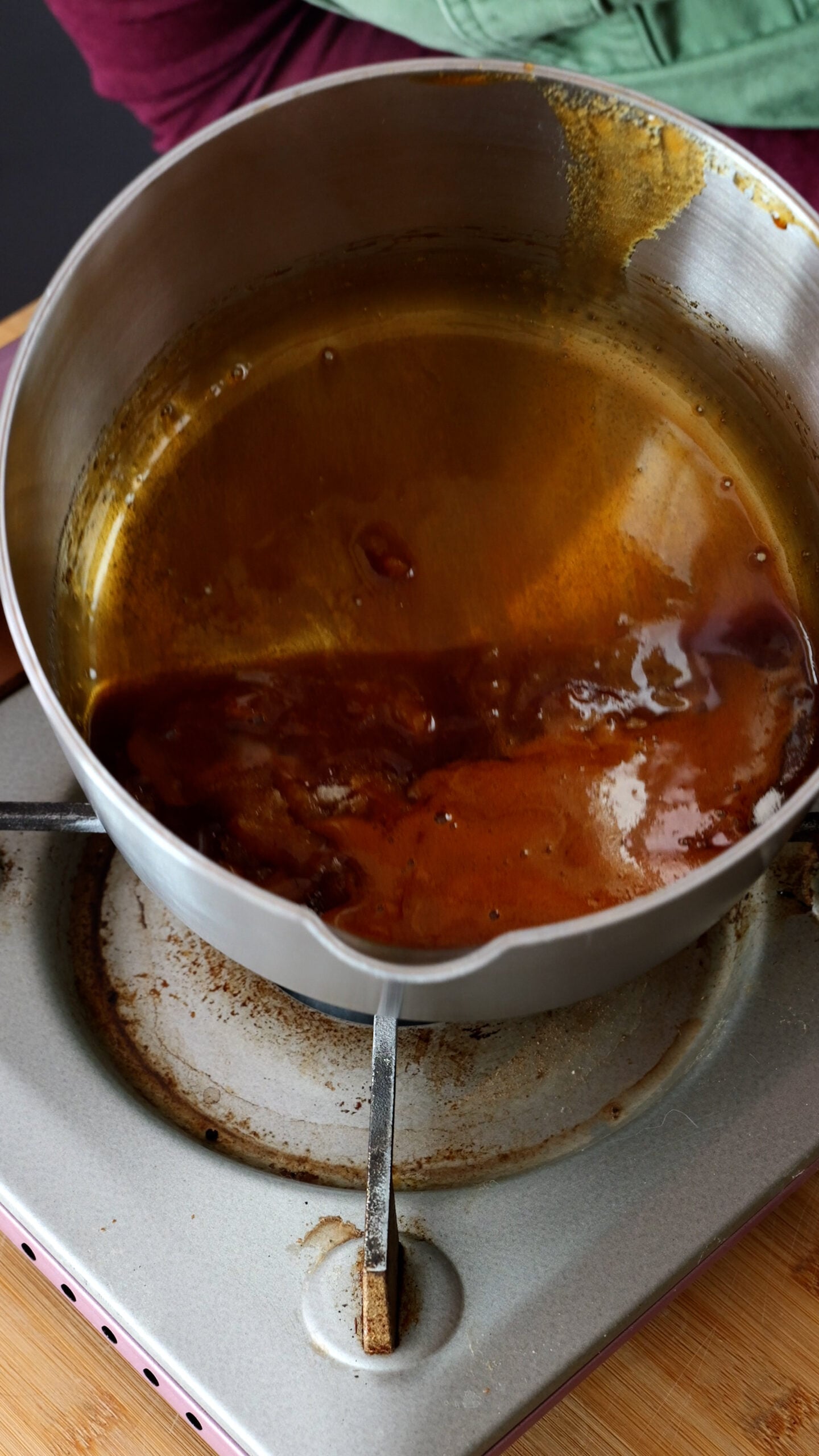
Step 1: Add 200g (1 cup) of the sugar to a medium saucepan and place over a medium-low heat. Allow the sugar to melt, swirling the pan occasionally rather than stirring.
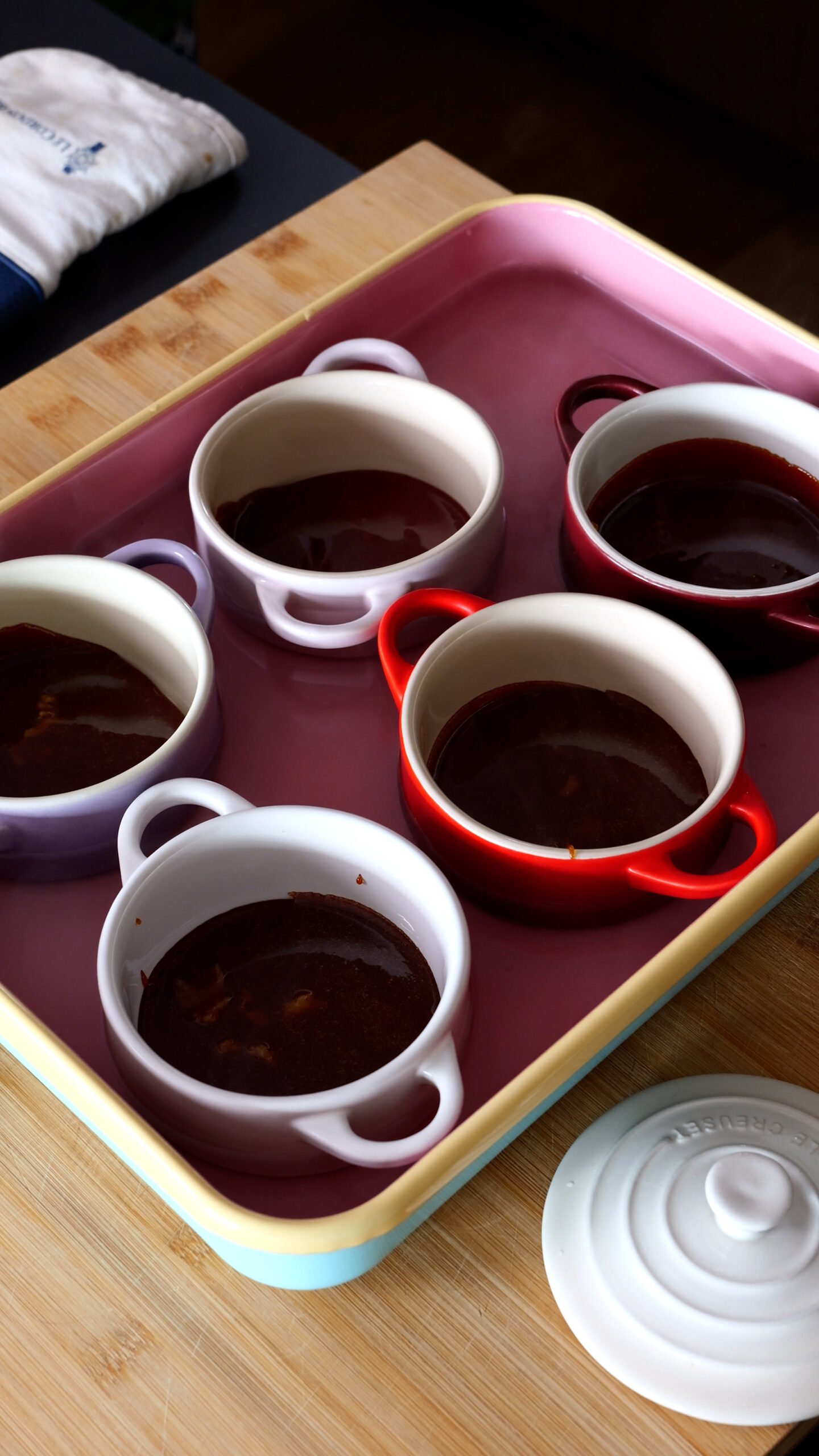
Step 2: Once the sugar has transformed into a deep golden caramel, immediately divide it between the ramekins, carefully swirling each ramekin so the caramel coats the base and also the sides. Set aside while you prepare the custard.
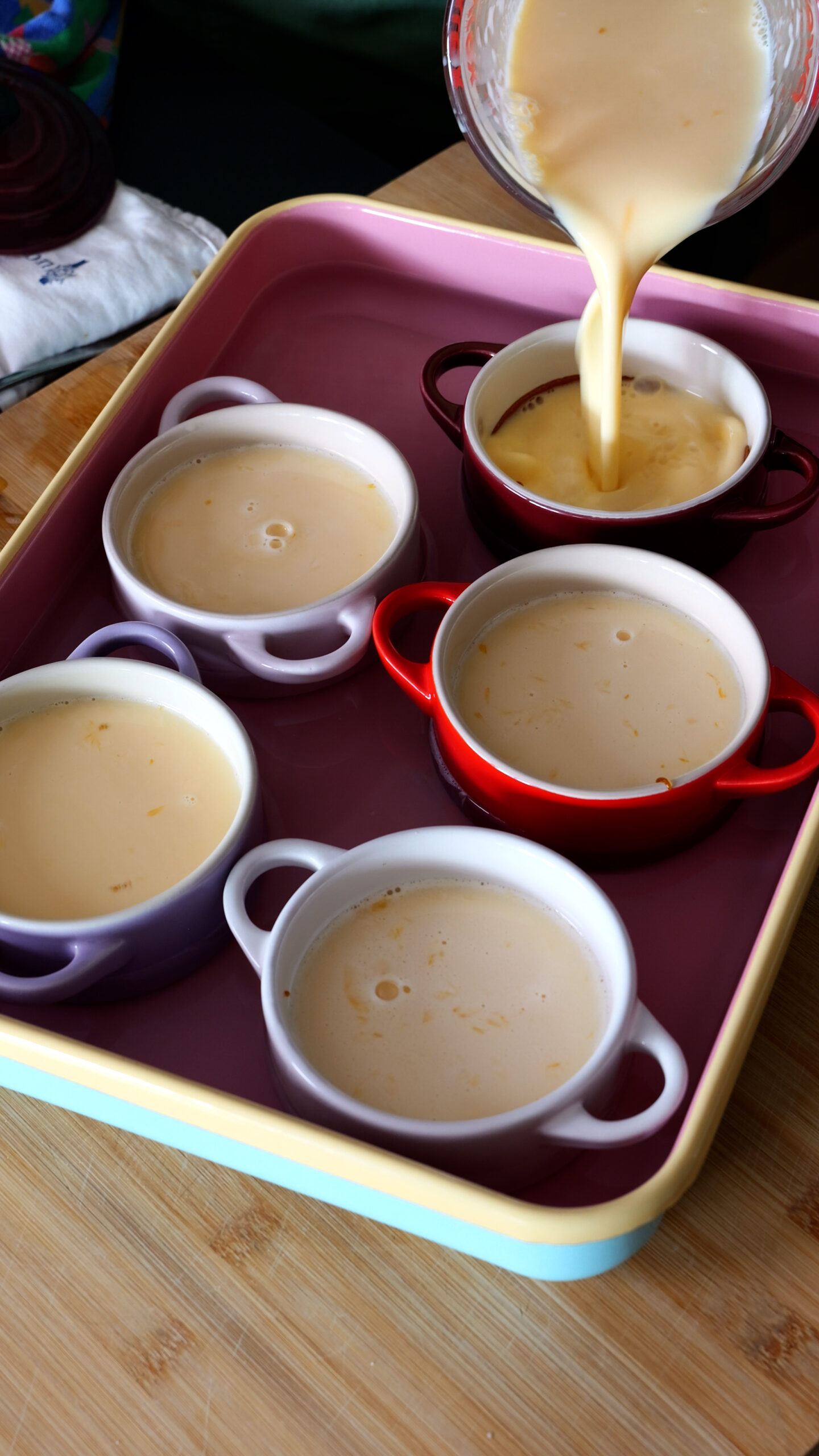
Step 3: In a large bowl, whisk together the eggs and remaining 100g (½ cup) sugar until combined. Pour in the milk and vanilla extract and whisk until smooth. For an extra silky texture, strain the mixture through a fine mesh sieve or spoon off the air bubbles. Carefully divide the custard mixture between the caramel-lined ramekins. Cover each ramekin with a lid or with alfoil. Bake for 40 – 60 minutes at 150°C (300°F).
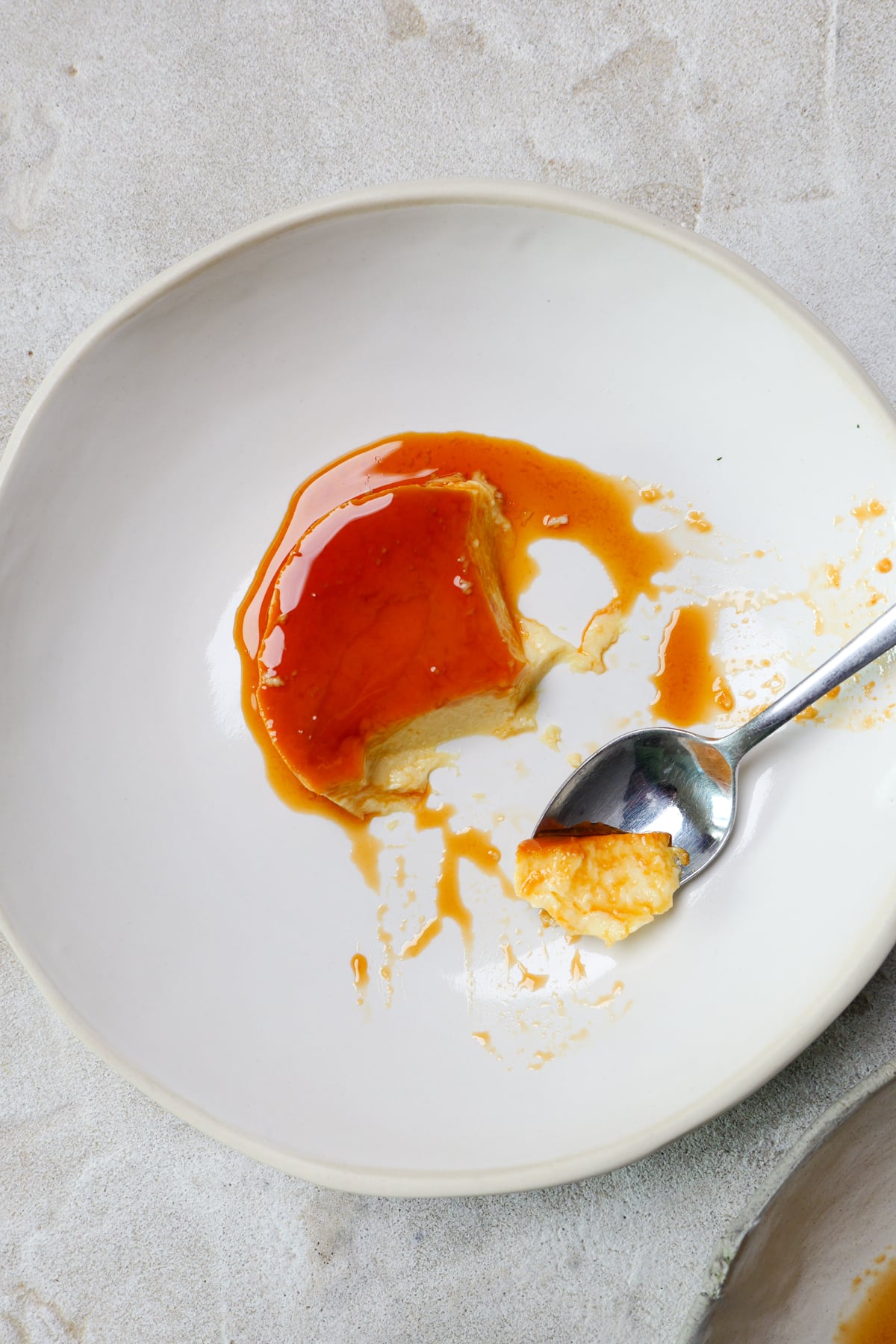
Step 4: Remove the ramekins from the water bath and allow them to cool. Transfer to the refrigerator and chill for at least 6 hours, or preferably overnight. To serve, run a small knife around the edge of each ramekin. Place a serving plate over the top and carefully invert. Lift away the ramekin and allow the caramel sauce to cascade over the custard before serving.
Tips For The Best Spanish Flan
- Don’t rush the caramel: Keep a close eye on the sugar as it cooks. It can go from perfectly golden to burnt very quickly.
- Avoid overmixing: Whisk the custard mixture until combined but avoid incorporating too much air, which can create bubbles in the finished flan.
- Strain the custard: For an extra silky smooth texture, pour the custard through a fine mesh sieve before adding it to the caramel-coated dish or use a spoon to scoop any air bubbles off the top.
- Use a water bath: Baking the flan in a water bath helps it cook gently and evenly, preventing the custard from curdling or cracking.
- Look for a slight wobble: The flan should still have a gentle jiggle in the centre when removed from the oven. It will continue to set as it cools.
- Chill before serving: Flan is best after several hours in the fridge. I recommend chilling it overnight if possible.
- Run a knife around the edge: Before inverting, carefully run a small knife around the edge of the flan to help it release cleanly.
- Trust the flip: The first time you turn a flan out onto a serving plate can feel nerve-racking, but trust the process. Once released, the caramel sauce will beautifully cascade over the custard.
Store & Serve
Spanish Flan is best served cold, straight from the fridge, once the custard has fully set and the caramel has transformed into a glossy sauce. I love serving it after a family meal with a little extra caramel spooned over the top. Store the flan covered in the refrigerator for up to 4 days. In fact, the flavour and texture often improve after a few hours of chilling, making it an excellent make-ahead dessert for gatherings or dinner parties.
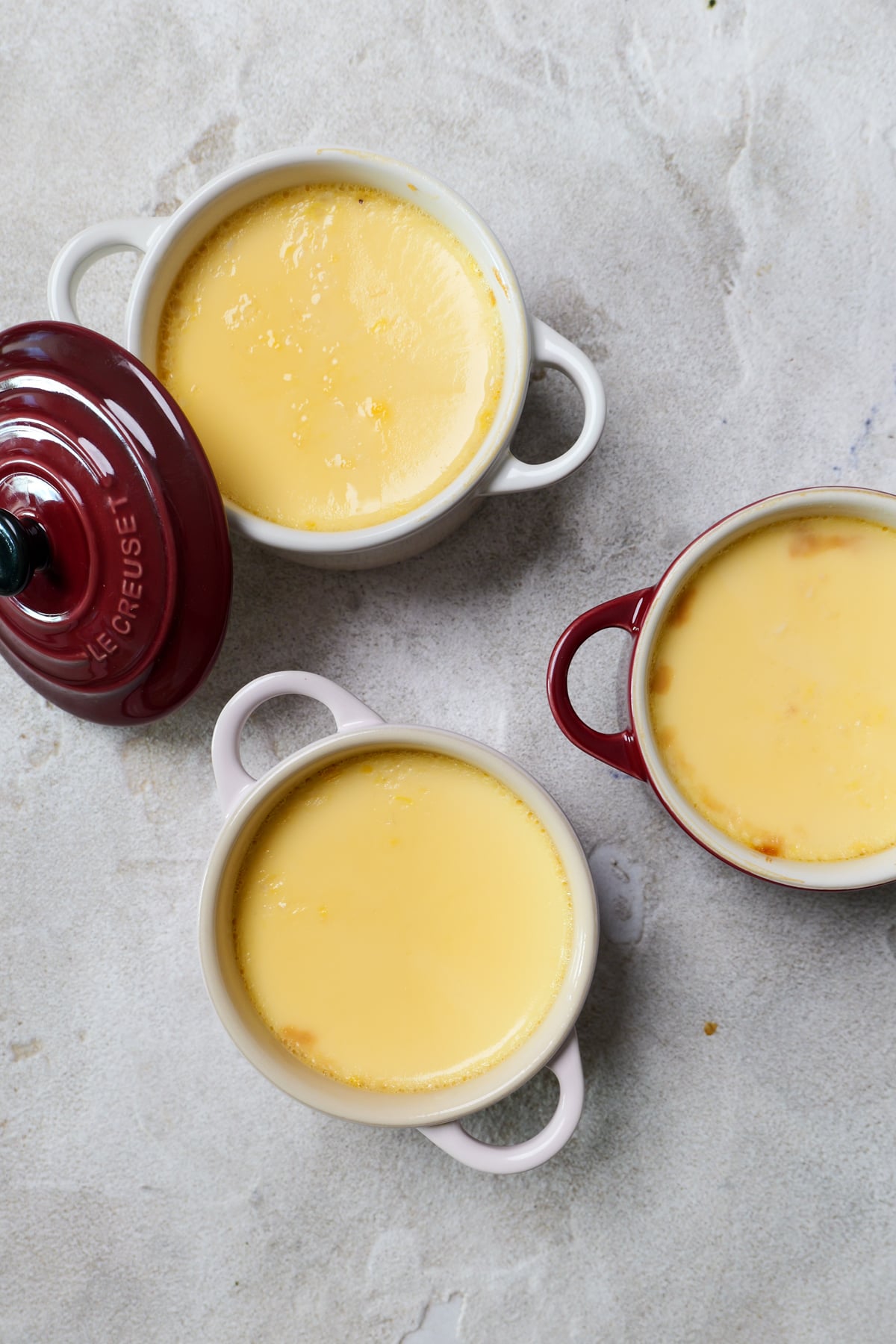
More Delicious Desserts!

Have questions or want to leave a review about this Spanish Flan? Please do so below the recipe card! I always love answering your questions and hearing your feedback. If you make this recipe, please follow me and tag me on Instagram, Tik Tok, or Pinterest so I can see your wonderful creations!
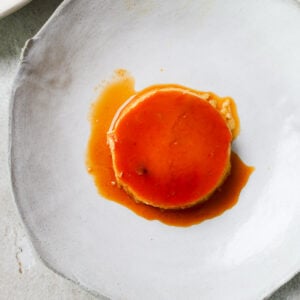
Spanish Flan
Ingredients
- 1 1/2 cup caster sugar
- 4 eggs
- 2 cups whole milk
- 1 tsp vanilla extract
Instructions
- Preheat oven: Preheat the oven to 300 °F (150°C)
- Ramekins: Place five 180ml (6-ounce) ramekins into a deep baking and set aside.
- Make caramel: Add 200g (1 cup) of the sugar to a medium saucepan and place over a medium-low heat. Allow the sugar to melt, swirling the pan occasionally rather than stirring. Once the sugar has transformed into a deep golden caramel, immediately divide it between the ramekins, carefully swirling each ramekin so the caramel coats the base and also the sides. Set aside while you prepare the custard.
- Custard: In a large bowl, whisk together the eggs and remaining 100g (½ cup) sugar until combined. Pour in the milk and vanilla extract and whisk until smooth. For an extra silky texture, strain the mixture through a fine mesh sieve or spoon off the air bubbles. Carefully divide the custard mixture between the caramel-lined ramekins. Cover each ramekin with a lid or with alfoil.
- Bake: Place the baking dish into the oven and carefully pour boiling water into the dish until it reaches halfway up the sides of the ramekins. Bake for 40 to 60 minutes, or until the flans are set around the edges but still have a slight wobble in the centre when gently shaken.
- Set & chill: Remove the ramekins from the water bath and allow them to cool. Transfer to the refrigerator and chill for at least 6 hours, or preferably overnight.
- Serve: To serve, run a small knife around the edge of each ramekin. Place a serving plate over the top and carefully invert. Lift away the ramekin and allow the caramel sauce to cascade over the custard before serving.
Notes
- Ramekins: I use five mini Le Creuset ramekins with lids, which hold approximately 180ml (6 ounces) each. They are the perfect size for individual serves and make storing leftovers incredibly easy.
- One Large Flan: If preferred, you can bake the mixture in one large baking dish instead of individual ramekins. Simply prepare the caramel and custard as instructed, then bake in a water bath until the centre is just set with a slight wobble. Keep in mind that a larger flan may require additional baking time.
- Strain the Custard: For the smoothest possible texture, strain the custard mixture through a fine mesh sieve before pouring it into the ramekins.
- Don’t Rush the Caramel: Once the sugar begins to colour, it can darken very quickly. Remove it from the heat as soon as it reaches a rich golden amber colour.
- Chill Overnight: While the flan can be enjoyed after 6 hours of chilling, I find the texture is at its absolute best after an overnight rest in the fridge.
- Releasing the Flan: If the flan is reluctant to release from the ramekin, dip the base into warm water for a few seconds before inverting onto a serving plate.
Nutrition
Nutrition information is automatically calculated, so should only be used as an approximation.
 Like this? Leave a comment below!
Maravilloso
Thank you so much!